A COOKING STAPLE USED FOR THOUSANDS OF YEARS

A COOKING STAPLE USED FOR THOUSANDS OF YEARS

A COOKING STAPLE USED FOR THOUSANDS OF YEARS

Ghee is a type of clarified butter, made by simmering butter until its water evaporates and milk solids caramelize, it is then strained to leave behind pure golden butterfat.


This process gives ghee a rich, nutty flavor, a high smoke point, is naturally dairy free, full of healthy nutrients and perfect for cooking.

Ghee is a type of clarified butter, made by simmering butter until its water evaporates and milk solids caramelize, it is then strained to leave behind pure golden butterfat.


This process gives ghee a rich, nutty flavor, a high smoke point, is naturally dairy free, full of healthy nutrients and perfect for cooking.

Ghee is a type of clarified butter, made by simmering butter until its water evaporates and milk solids caramelize, it is then strained to leave behind pure golden butterfat.


This process gives ghee a rich, nutty flavor, a high smoke point, is naturally dairy free, full of healthy nutrients and perfect for cooking.

THE MAGICAL BENEFITS OF GHEE

Naturally nutrient-dense

Grass-fed ghee carries fat-soluble vitamins A, D, E, and K2, along with conjugated linoleic acid (CLA) and butyrate — a short-chain fatty acid linked to gut health. None of that is in seed oils. None of it is added back in afterward. It's just there, the way it's been for millennia.

Heat-stable by nature

Ghee has a smoke point of around 485°F — higher than butter, higher than olive oil, higher than most seed oils. That matters because popcorn pops at roughly 400°F. An oil that breaks down at popping temperature creates off-flavors and oxidized byproducts. Ghee doesn't break down. It just gets richer.

Dairy-free in the ways that matter

Lactose and casein — the two components of dairy that most people react to — are removed during the clarification process. What's left is pure butterfat, which the vast majority of lactose-intolerant people tolerate without issue. Note: eople with severe dairy allergies should still consult a doctor.

Real flavor

This is the part the nutrition labels can't capture. Ghee has a rich, buttery flavor. Seed oils, by design, taste like nothing — they were engineered to be neutral so they could be cheap and ubiquitous. Popcorn popped in ghee tastes the way popcorn was supposed to taste before the food industry decided otherwise.

THE MAGICAL BENEFITS OF GHEE

Naturally nutrient-dense

Grass-fed ghee carries fat-soluble vitamins A, D, E, and K2, along with conjugated linoleic acid (CLA) and butyrate — a short-chain fatty acid linked to gut health. None of that is in seed oils. None of it is added back in afterward. It's just there, the way it's been for millennia.

Heat-stable by nature

Ghee has a smoke point of around 485°F — higher than butter, higher than olive oil, higher than most seed oils. That matters because popcorn pops at roughly 400°F. An oil that breaks down at popping temperature creates off-flavors and oxidized byproducts. Ghee doesn't break down. It just gets richer.

Dairy-free in the ways that matter

Lactose and casein — the two components of dairy that most people react to — are removed during the clarification process. What's left is pure butterfat, which the vast majority of lactose-intolerant people tolerate without issue. Note: eople with severe dairy allergies should still consult a doctor.

Real flavor

This is the part the nutrition labels can't capture. Ghee has a rich, buttery flavor. Seed oils, by design, taste like nothing — they were engineered to be neutral so they could be cheap and ubiquitous. Popcorn popped in ghee tastes the way popcorn was supposed to taste before the food industry decided otherwise.

Naturally nutrient-dense

Naturally nutrient-dense

Grass-fed ghee carries fat-soluble vitamins A, D, E, and K2, along with conjugated linoleic acid (CLA) and butyrate — a short-chain fatty acid linked to gut health. None of that is in seed oils. None of it is added back in afterward. It's just there, the way it's been for millennia.

Grass-fed ghee carries fat-soluble vitamins A, D, E, and K2, along with conjugated linoleic acid (CLA) and butyrate — a short-chain fatty acid linked to gut health. None of that is in seed oils. None of it is added back in afterward. It's just there, the way it's been for millennia.

Grass-fed ghee carries fat-soluble vitamins A, D, E, and K2, along with conjugated linoleic acid (CLA) and butyrate — a short-chain fatty acid linked to gut health. None of that is in seed oils. None of it is added back in afterward. It's just there, the way it's been for millennia.

THE MAGICAL BENEFITS OF GHEE

THE MAGICAL BENEFITS OF GHEE

THE MAGICAL BENEFITS OF GHEE

Heat-stable by nature

Heat-stable by nature

Ghee has a smoke point of around 485°F — higher than butter, higher than olive oil, higher than most seed oils. That matters because popcorn pops at roughly 400°F. An oil that breaks down at popping temperature creates off-flavors and oxidized byproducts. Ghee doesn't break down. It just gets richer.

Ghee has a smoke point of around 485°F — higher than butter, higher than olive oil, higher than most seed oils. That matters because popcorn pops at roughly 400°F. An oil that breaks down at popping temperature creates off-flavors and oxidized byproducts. Ghee doesn't break down. It just gets richer.

Ghee has a smoke point of around 485°F — higher than butter, higher than olive oil, higher than most seed oils. That matters because popcorn pops at roughly 400°F. An oil that breaks down at popping temperature creates off-flavors and oxidized byproducts. Ghee doesn't break down. It just gets richer.

Dairy-free in the ways that matter

Dairy-free in the ways that matter

Lactose and casein — the two components of dairy that most people react to — are removed during the clarification process. What's left is pure butterfat, which the vast majority of lactose-intolerant people tolerate without issue. Note: eople with severe dairy allergies should still consult a doctor.

Lactose and casein — the two components of dairy that most people react to — are removed during the clarification process. What's left is pure butterfat, which the vast majority of lactose-intolerant people tolerate without issue. Note: eople with severe dairy allergies should still consult a doctor.

Lactose and casein — the two components of dairy that most people react to — are removed during the clarification process. What's left is pure butterfat, which the vast majority of lactose-intolerant people tolerate without issue. Note: eople with severe dairy allergies should still consult a doctor.

Real flavor

Real flavor

This is the part the nutrition labels can't capture. Ghee has a rich, buttery flavor. Seed oils, by design, taste like nothing — they were engineered to be neutral so they could be cheap and ubiquitous. Popcorn popped in ghee tastes the way popcorn was supposed to taste before the food industry decided otherwise.

This is the part the nutrition labels can't capture. Ghee has a rich, buttery flavor. Seed oils, by design, taste like nothing — they were engineered to be neutral so they could be cheap and ubiquitous. Popcorn popped in ghee tastes the way popcorn was supposed to taste before the food industry decided otherwise.

This is the part the nutrition labels can't capture. Ghee has a rich, buttery flavor. Seed oils, by design, taste like nothing — they were engineered to be neutral so they could be cheap and ubiquitous. Popcorn popped in ghee tastes the way popcorn was supposed to taste before the food industry decided otherwise.

WHY WE AVOID seed oils

WHY WE AVOID seed oils

Most popcorn, even the kind sold in the natural aisle, are cooked in industrial seed oils. Sunflower. Canola. Soybean. Safflower.


These oils are extracted from seeds using high heat, mechanical pressing, and chemical solvents like hexane. They're then deodorized, bleached, and stabilized before they ever reach a kettle.

Most popcorn, even the kind sold in the natural aisle, are cooked in industrial seed oils. Sunflower. Canola. Soybean. Safflower.


These oils are extracted from seeds using high heat, mechanical pressing, and chemical solvents like hexane. They're then deodorized, bleached, and stabilized before they ever reach a kettle.

Most popcorn, even the kind sold in the natural aisle, are cooked in industrial seed oils. Sunflower. Canola. Soybean. Safflower.


These oils are extracted from seeds using high heat, mechanical pressing, and chemical solvents like hexane. They're then deodorized, bleached, and stabilized before they ever reach a kettle.

Not all ghee is created equal
Not all ghee is created equal

Not all ghee is created equal

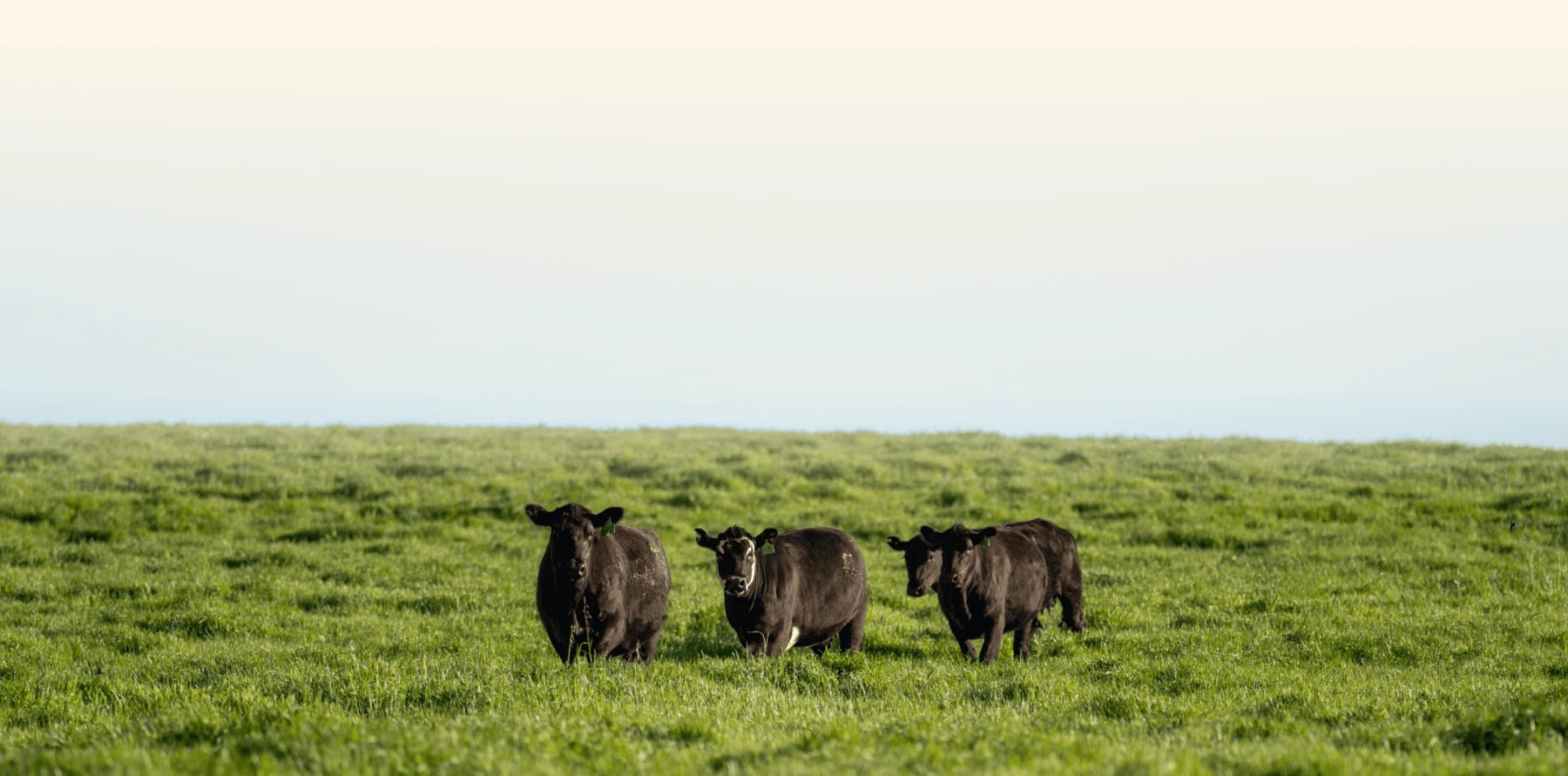
The single biggest variable is what the cow ate.

Cows that graze on pasture produce milk — and therefore butter, and therefore ghee — with measurably higher levels of omega-3 fatty acids, CLA, and vitamin K2 than cows raised on grain in confinement. Grass-fed ghee is also a deeper golden color, a richer flavor, and a cleaner finish.

The single biggest variable is what the cow ate.

Cows that graze on pasture produce milk — and therefore butter, and therefore ghee — with measurably higher levels of omega-3 fatty acids, CLA, and vitamin K2 than cows raised on grain in confinement. Grass-fed ghee is also a deeper golden color, a richer flavor, and a cleaner finish.

The single biggest variable is what the cow ate. Cows that graze on pasture produce milk — and therefore butter, and therefore ghee — with measurably higher levels of omega-3 fatty acids, CLA, and vitamin K2 than cows raised on grain in confinement. Grass-fed ghee is also a deeper golden color, a richer flavor, and a cleaner finish.

The single biggest variable is what the cow ate. Cows that graze on pasture produce milk — and therefore butter, and therefore ghee — with measurably higher levels of omega-3 fatty acids, CLA, and vitamin K2 than cows raised on grain in confinement. Grass-fed ghee is also a deeper golden color, a richer flavor, and a cleaner finish.

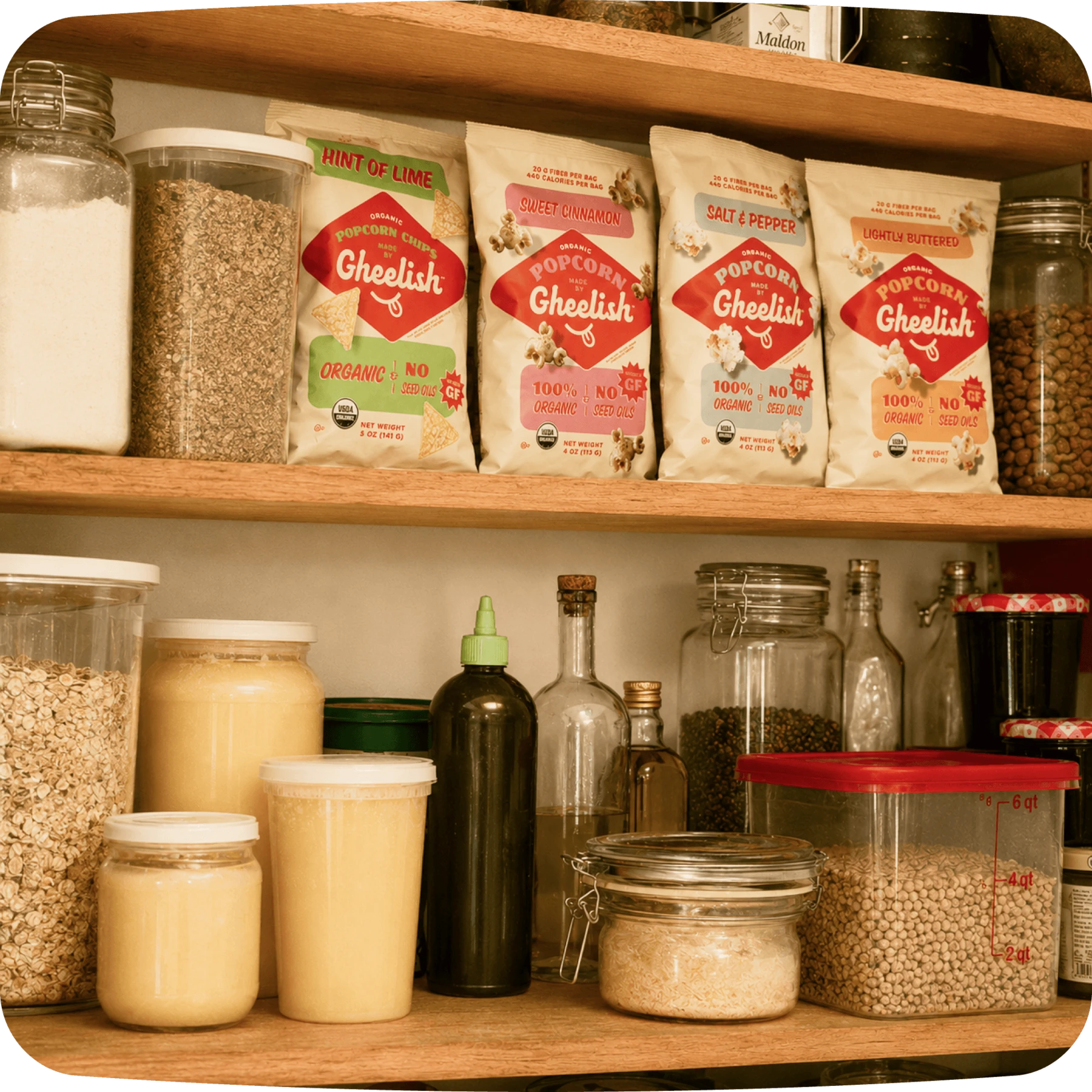
Most commercial ghee on the market today comes from conventional, grain-fed dairy operations. We don't use it. Every bag of Gheelish is popped in certified organic, grass-fed ghee — sourced from cows that grazed on pasture, free of hormones, antibiotics, and synthetic feed. It costs more. It tastes better. It's the entire reason this brand exists.
Most commercial ghee on the market today comes from conventional, grain-fed dairy operations. We don't use it. Every bag of Gheelish is popped in certified organic, grass-fed ghee — sourced from cows that grazed on pasture, free of hormones, antibiotics, and synthetic feed. It costs more. It tastes better. It's the entire reason this brand exists.

Most commercial ghee on the market today comes from conventional, grain-fed dairy operations. We don't use it. Every bag of Gheelish is popped in certified organic, grass-fed ghee — sourced from cows that grazed on pasture, free of hormones, antibiotics, and synthetic feed. It costs more. It tastes better. It's the entire reason this brand exists.

Today

Today

In India, ghee is having a quiet renaissance — a return to the village kitchen after decades of cheap-oil dominance. In the U.S., it's moved from a specialty-aisle curiosity to one of the fastest-growing items in the natural fats category, championed by chefs, athletes, traditional-foods cooks, and the growing share of Americans who've decided their pantry deserves a second look.

Ghee belongs in the modern kitchen for the same reasons it belonged in every kitchen that came before: it cooks better, it tastes better, and it's made the way food is supposed to be made.

That's why every bag of Gheelish starts with it.

In India, ghee is having a quiet renaissance — a return to the village kitchen after decades of cheap-oil dominance. In the U.S., it's moved from a specialty-aisle curiosity to one of the fastest-growing items in the natural fats category, championed by chefs, athletes, traditional-foods cooks, and the growing share of Americans who've decided their pantry deserves a second look.

Ghee belongs in the modern kitchen for the same reasons it belonged in every kitchen that came before: it cooks better, it tastes better, and it's made the way food is supposed to be made.

That's why every bag of Gheelish starts with it.

In India, ghee is having a quiet renaissance — a return to the village kitchen after decades of cheap-oil dominance. In the U.S., it's moved from a specialty-aisle curiosity to one of the fastest-growing items in the natural fats category, championed by chefs, athletes, traditional-foods cooks, and the growing share of Americans who've decided their pantry deserves a second look.

Ghee belongs in the modern kitchen for the same reasons it belonged in every kitchen that came before: it cooks better, it tastes better, and it's made the way food is supposed to be made.

That's why every bag of Gheelish starts with it.

A few common questions

Is ghee dairy?

Technically, yes — it's made from butter. But the lactose and casein are removed during clarification, which is why most lactose-intolerant people tolerate ghee without issue. People with severe dairy allergies should still consult a doctor.

Is ghee healthier than butter?

Why is grass-fed ghee more expensive?

Is Gheelish gluten-free? Kosher? Organic?

A few common questions

Is ghee dairy?

Technically, yes — it's made from butter. But the lactose and casein are removed during clarification, which is why most lactose-intolerant people tolerate ghee without issue. People with severe dairy allergies should still consult a doctor.

Is ghee healthier than butter?

Why is grass-fed ghee more expensive?

Is Gheelish gluten-free? Kosher? Organic?

A few common questions

Is ghee dairy?

Technically, yes — it's made from butter. But the lactose and casein are removed during clarification, which is why most lactose-intolerant people tolerate ghee without issue. People with severe dairy allergies should still consult a doctor.

Is ghee healthier than butter?

Why is grass-fed ghee more expensive?

Is Gheelish gluten-free? Kosher? Organic?

A few common questions

Is ghee dairy?

Technically, yes — it's made from butter. But the lactose and casein are removed during clarification, which is why most lactose-intolerant people tolerate ghee without issue. People with severe dairy allergies should still consult a doctor.

Is ghee healthier than butter?

Why is grass-fed ghee more expensive?

Is Gheelish gluten-free? Kosher? Organic?